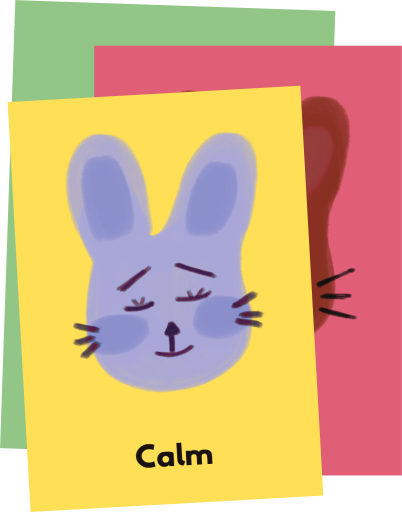
What You Can Do During a Meltdown
Meltdowns can be tricky to navigate on your own. Here are some steps to make the process of calming down better.
-
 01
Move to a lower-stimulation space
Find somewhere calmer and less crowded. This way you will have more room to both breathe and calm down.
-
 02
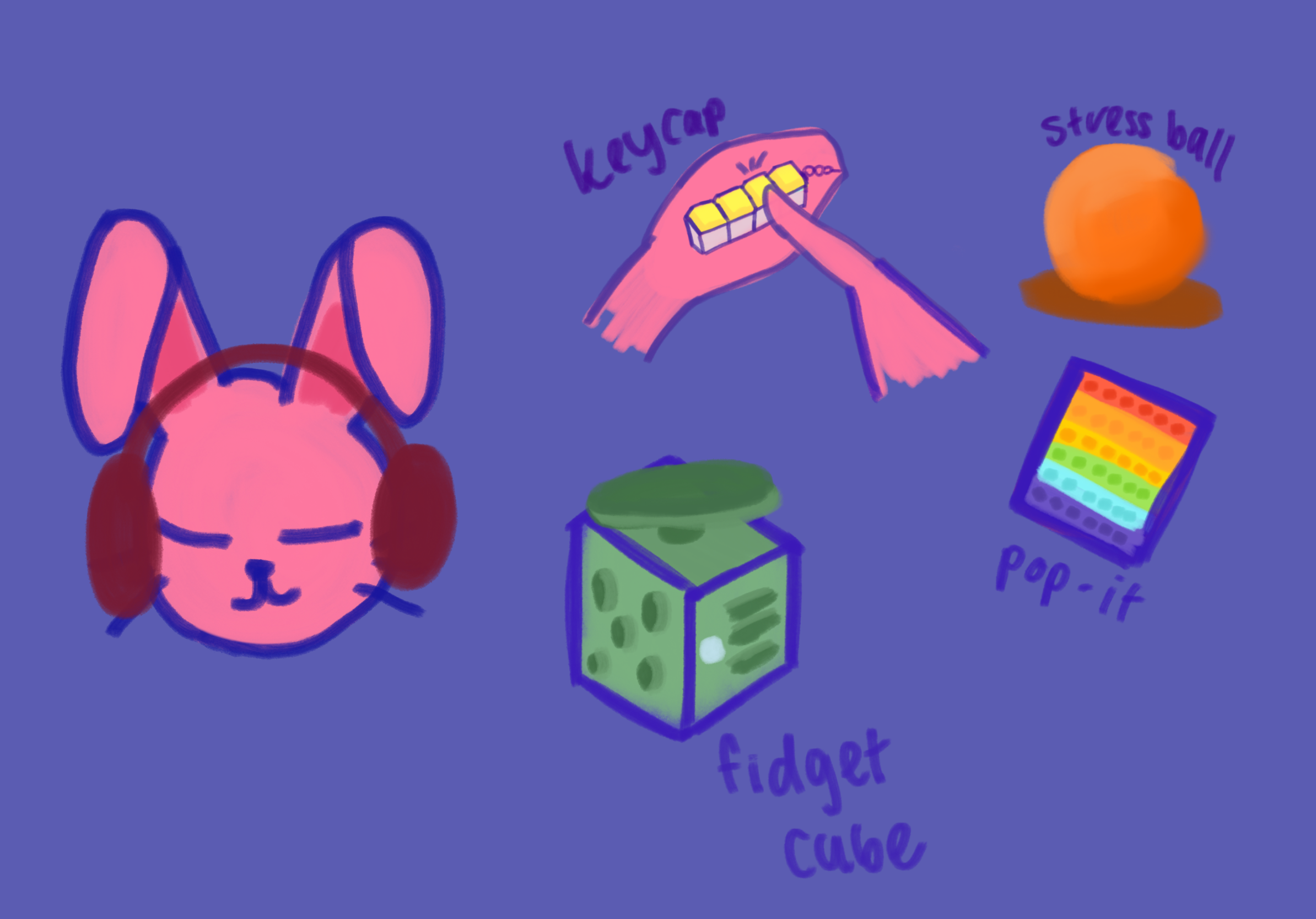
Use your sensory toolkit
Use your noise-cancelling headphones, fidget toys and/or weighted blanket to help calm yourself down.
-
 03
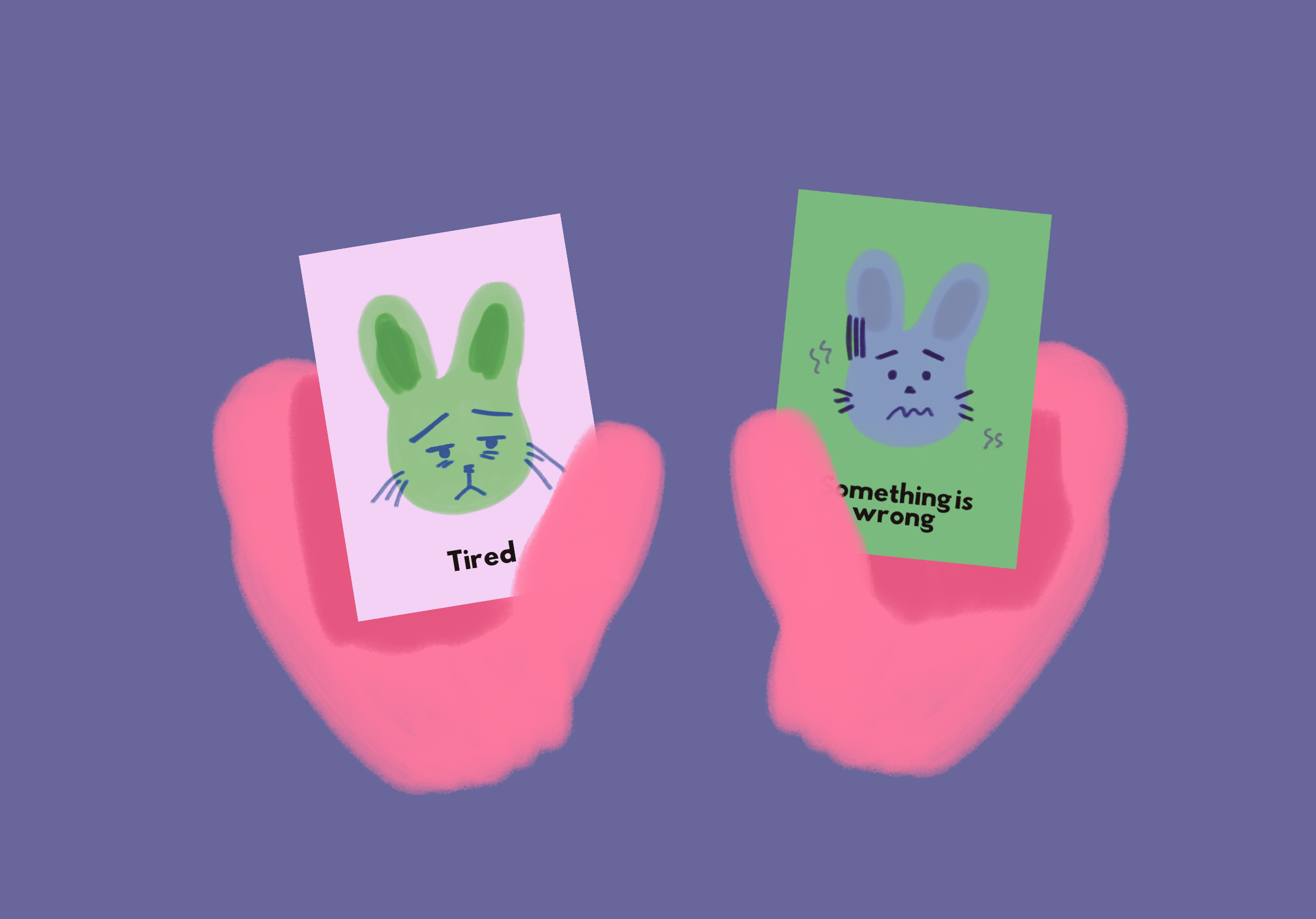
Use the emotion cards
If someone is around to assist you and you are unable to respond, you may use the emotion cards to communicate how you are feeling in the moment.
Reference:
Meltdowns - a guide for all audiences. (2026). Autism.Org.Uk. https://www.autism.org.uk/advice-and-guidance/behaviour/meltdowns/all-audiences
What You Can Do when Someone You Know Has a Meltdown
Sometimes, we may come across someone going through a meltdown. Here is how you can help:
 01
Anticipate the Meltdown
Autistic people tend to already show signs of distress before they go into meltdown mode. They can be akin to signs of anxiety such as pacing, repetitive questioning, rocking or becoming very still.
 02
Let them calm down
Allow them some time to calm down and regain their senses. You may introduce techniques like breathing exercises to them.
 03
Ask them if they are okay.
Remember to be patient. Some of them may need more time to respond.
 04
Give and Create Space
Redirect them to a quiet, safe space if possible. Ask people to move on ahead and to not stare, switch off loud music, bring down bright lights. Reduce as much stimulation overload as possible.
 05
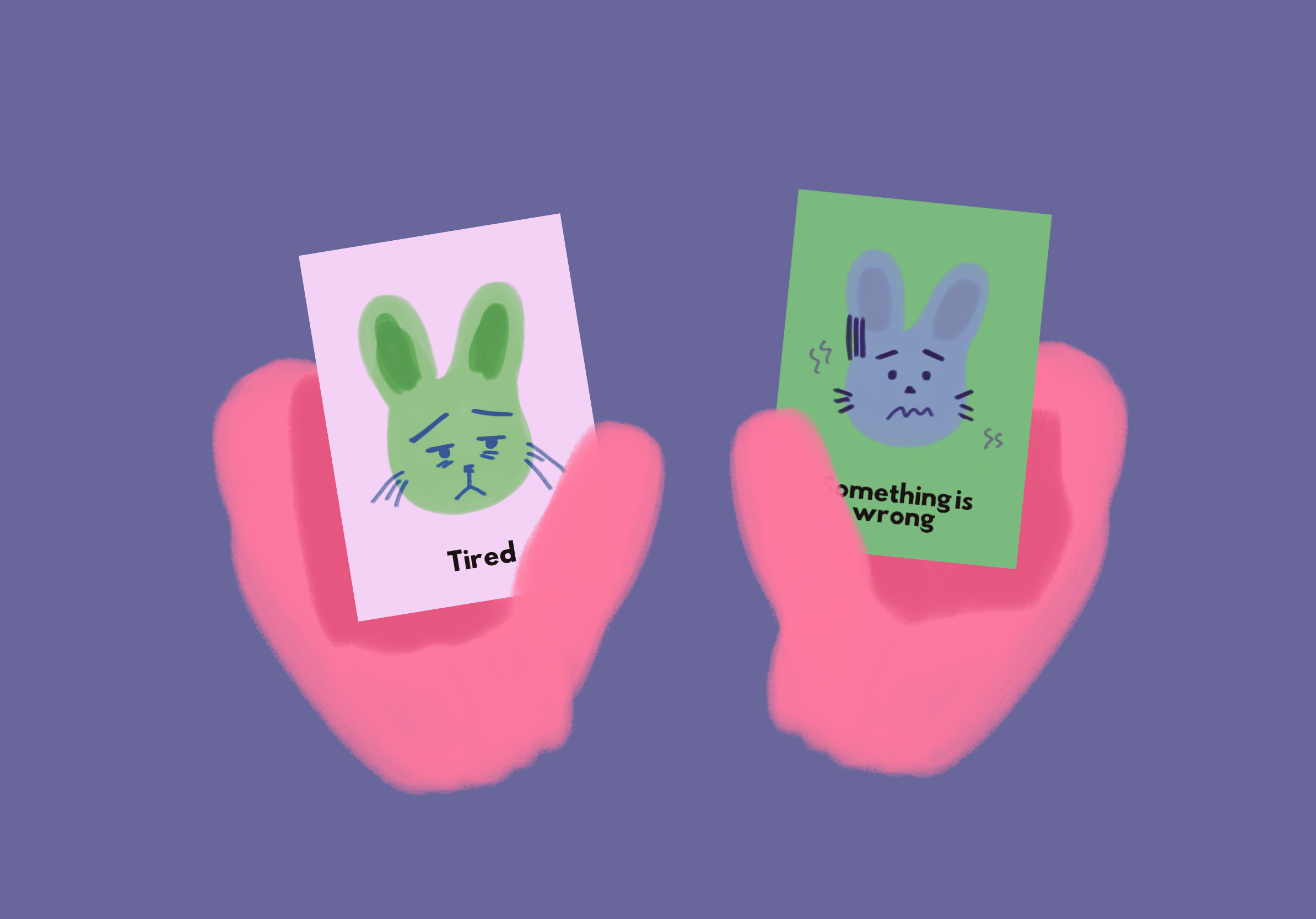
Use the Emotion Cards
If the emotion cards are on you or on the person experiencing a meltdown, you can use them to communicate.
Reference:
Hanson, C. (2026, April 14). Understanding autistic meltdowns: What they are, what triggers them, and what actually helps. Life Skills Advocate. https://lifeskillsadvocate.com/blog/understanding-autistic-meltdowns/